Flowers are natural products; availability, appearance, and timing depend on season, handling,
and logistics, so results may vary and photos remain indicative only.
Structured compositions
Floral compositions that behave well in real rooms, not just in studio photos
This page focuses on floral compositions that sit in boxes, baskets, vases, and structured
bases, built for tables, shelves, receptions, and photo sets. Each piece is treated as a
small engineered object: the team defines where it will stand, how people will move around
it, and how long it needs to hold. From there, flowers, greenery, and mechanics are chosen
to match the room, budget, and schedule.
Composition-focused services
Compositions are organized into clear service groups, so clients can match each format to a real use case instead of guessing from abstract names.
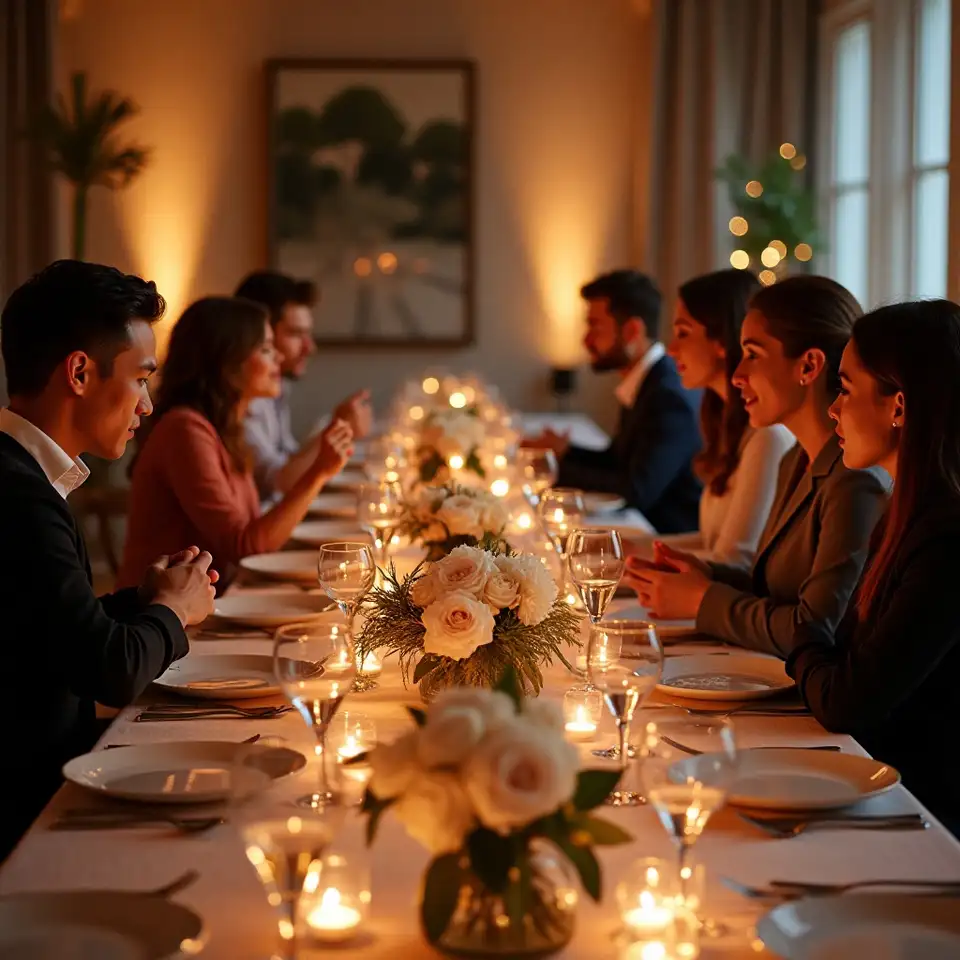
Table compositions for weddings and celebrations
Table compositions for weddings, celebrations, and formal dinners are designed around plate layouts, glassware, and sightlines. The studio works with low centerpieces for conversation-friendly tables, elongated runners for banquet layouts, and focused accent pieces for head tables. Each format is documented with approximate dimensions and stem types, so clients know what to expect within the agreed budget band. The team plans mechanics and transport according to venue access and timing, then provides simple guidance for any pieces that remain after the main event. Results may vary, but the process is built to support steady quality across similar events.
-
Defined formats for round and long tables
-
Calm palettes aligned with event tone
-
Mechanics tested for transport stability
-
Documented recipes for repeat orders
Corporate and conference compositions
For corporate events and conferences, compositions are treated as part
of the information flow in the room. Designs stay clear of screens and
stage views, use controlled colour to avoid distraction, and respect
brand guidelines where helpful. The studio creates entrance pieces,
stage-side arrangements, and table accents that can be repeated or
scaled for multi-day programs. Logistics are planned around venue
schedules and access rules, with attention to teardown or re-use plans.
Past performance does not guarantee identical behaviour at every event,
but documented methods help keep outcomes consistent.
-
Entrance and stage zone planning
-
Brand-aware colour and form choices
-
Repeatable sets for multi-day programs
-
Clear setup and teardown notes
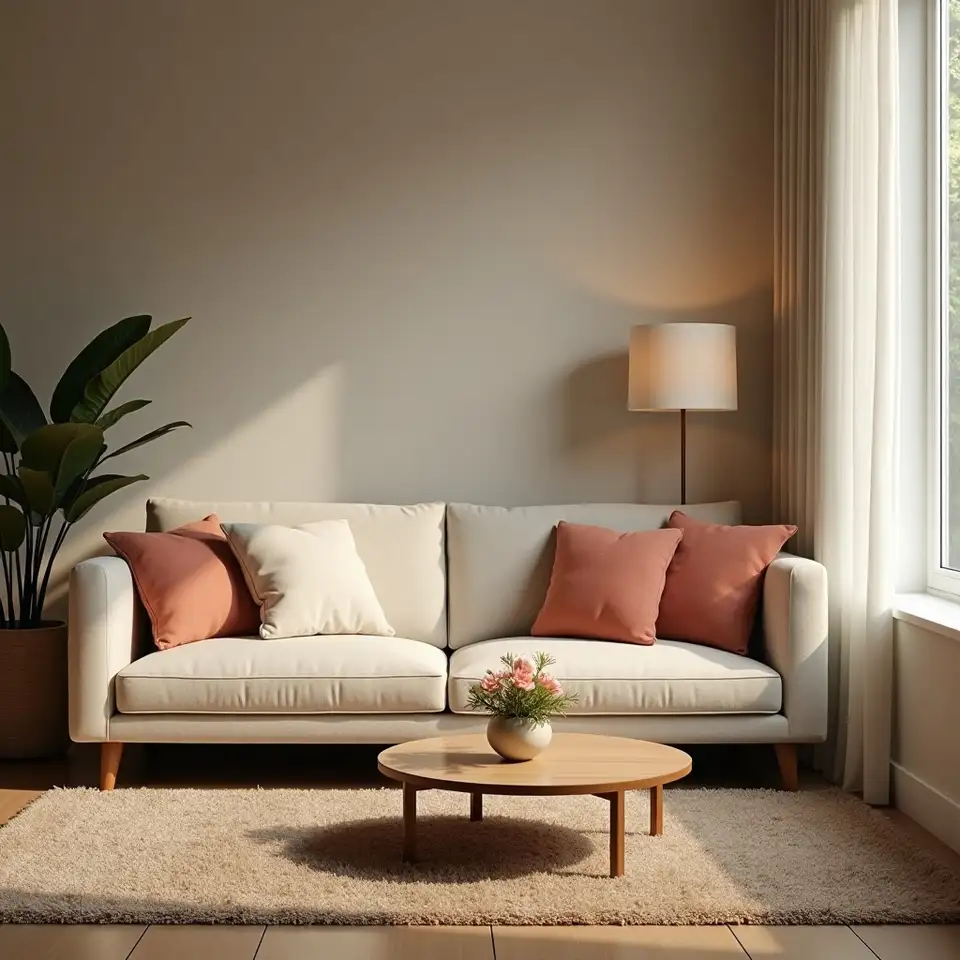
Interior compositions for homes and suites
Interior compositions for homes and small hospitality spaces are
designed to live with real furniture, not staged sets. The team
considers traffic paths, available surfaces, and light before proposing
boxes, baskets, or vase-based pieces. Arrangements are scaled to coffee
tables, shelves, kitchen islands, or bedside stands, with stems chosen
for how they usually behave indoors. Clients receive simple placement
and care notes, with the clear reminder that results may vary depending
on temperature, drafts, and how closely instructions are followed.
-
Sized for real furniture and surfaces
-
Palettes matched to existing interiors
-
Stems chosen for typical home conditions
-
Straightforward placement guidance
Longer-lasting decorative compositions
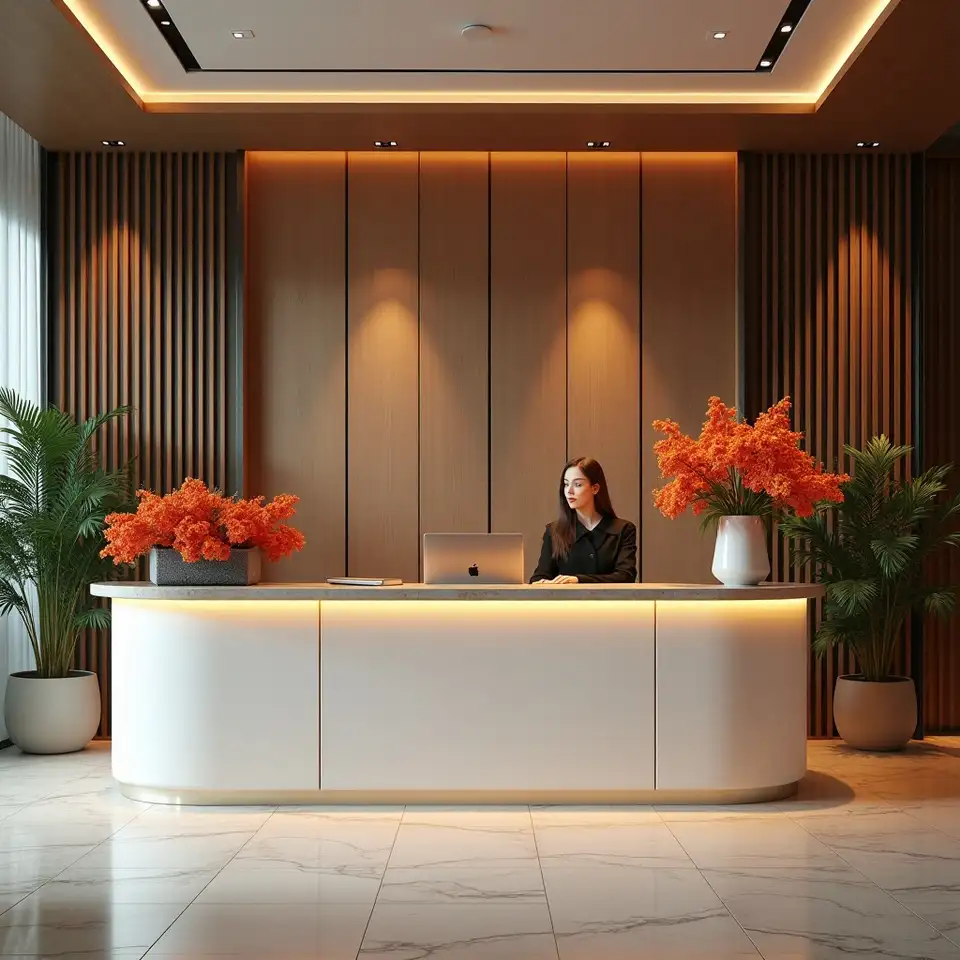
Longer-lasting compositions, such as dried and preserved mixes or designs using hardy materials, are offered for spaces that need a stable look over time. The studio focuses on clean, modern forms that avoid visual clutter and dust traps. Each piece is built with maintenance in mind, so cleaning staff or residents can handle basic care without complex instructions. While no arrangement is permanent, these formats reduce the need for frequent replacements and keep reception areas, hallways, and small lobbies visually consistent between refresh cycles.
-
Dried and preserved material options
-
Simple, dust-conscious structures
-
Forms suited to receptions and hallways
-
Maintenance-aware design choices
How floral compositions are planned and built
Each project follows a simple four-step path that turns a venue and schedule into clear design rules. This keeps creative work grounded in logistics, so compositions are not only attractive in sketches but workable on the actual day.

1
Briefing and space review
The team starts with a short, direct conversation about venue, table sizes, timing,
and any brand or colour requirements. Photos or floor plans are reviewed where
available, then key zones are mapped: entrance, main area, focus points, and
supporting spaces. This creates clear constraints before any design work begins.

Style and theme definition
Based on the briefing, a simple style sheet is defined, covering palette, shape
tendencies, and level of formality. The studio prefers a small set of repeatable
forms rather than many unrelated pieces. This ensures that every composition, from
entrance to side table, feels like part of one system and can be delivered within
real time limits.
Flower selection and assembly
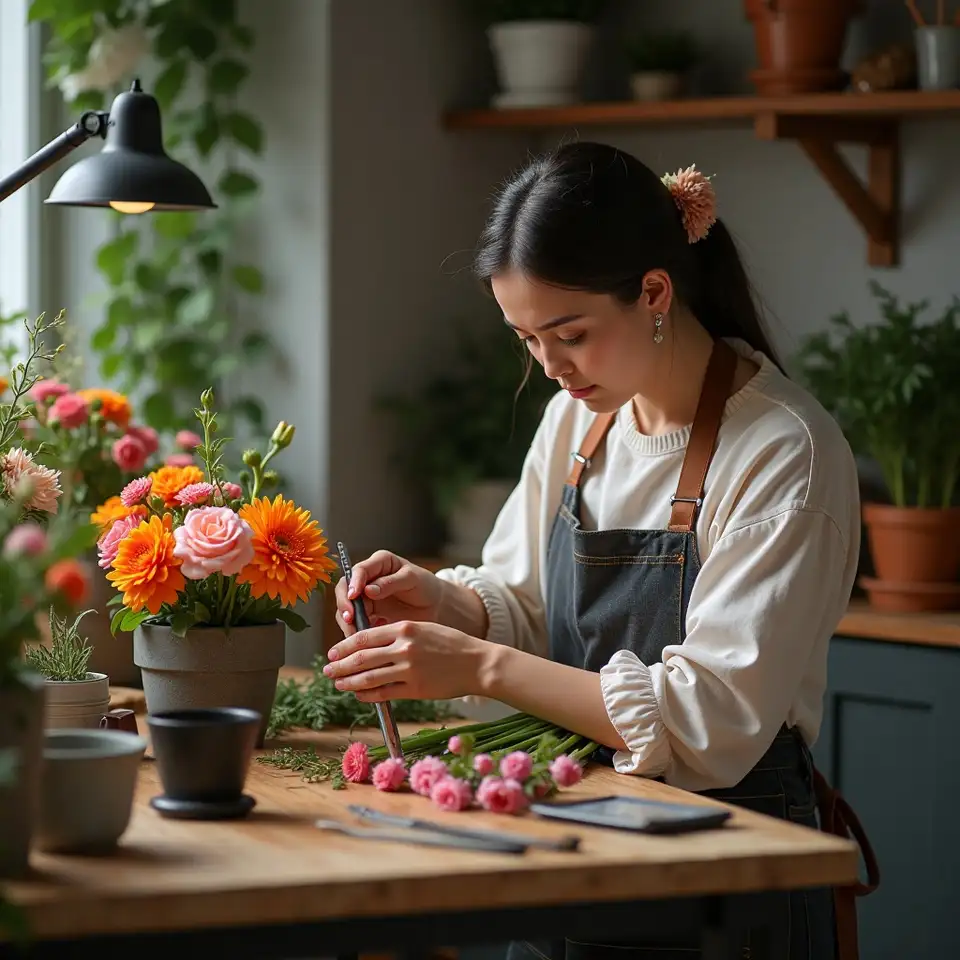
Flowers, foliage, vessels, and mechanics are selected with transport, setup access, and venue conditions in mind. Stems are conditioned, structures are tested for stability, and each composition is assembled with clear recipes. This reduces last-minute changes and helps the team repeat or adjust designs for future events or ongoing contracts.
Delivery, placement, and handover
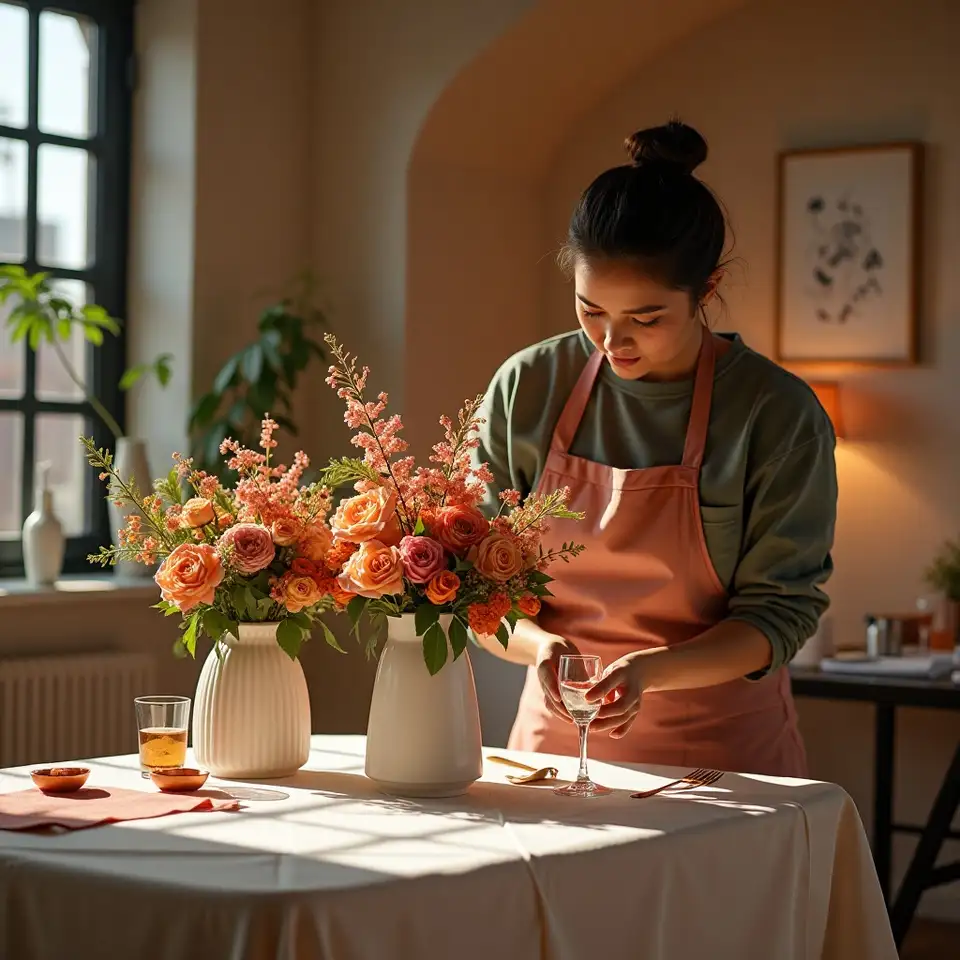
If installation is required, the team plans routes, timing, and on-site adjustments in advance, coordinating with venue staff where needed. Compositions are placed according to the agreed map, checked from guest eye level, and photographed for records. Basic care notes are left when pieces remain after the event, with the reminder that results may vary depending on handling and room conditions.
Composition gallery
These examples show how a single design method adapts from wedding tables to corporate receptions, photo sets, and home interiors. Each composition is built around the same principles: measured scale, controlled palette, and mechanics that can handle transport, setup, and real guest movement around the flowers.
Featured
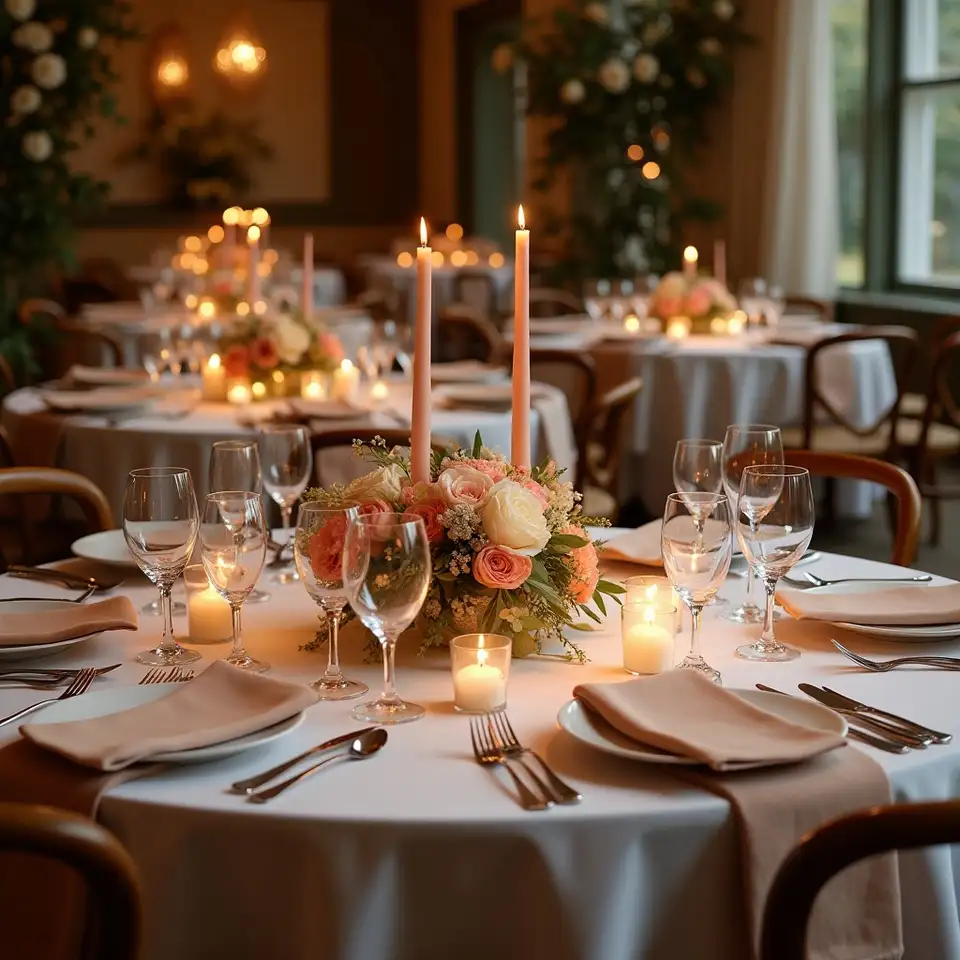
Low round table centerpiece
Low centerpiece composition for round wedding table
2
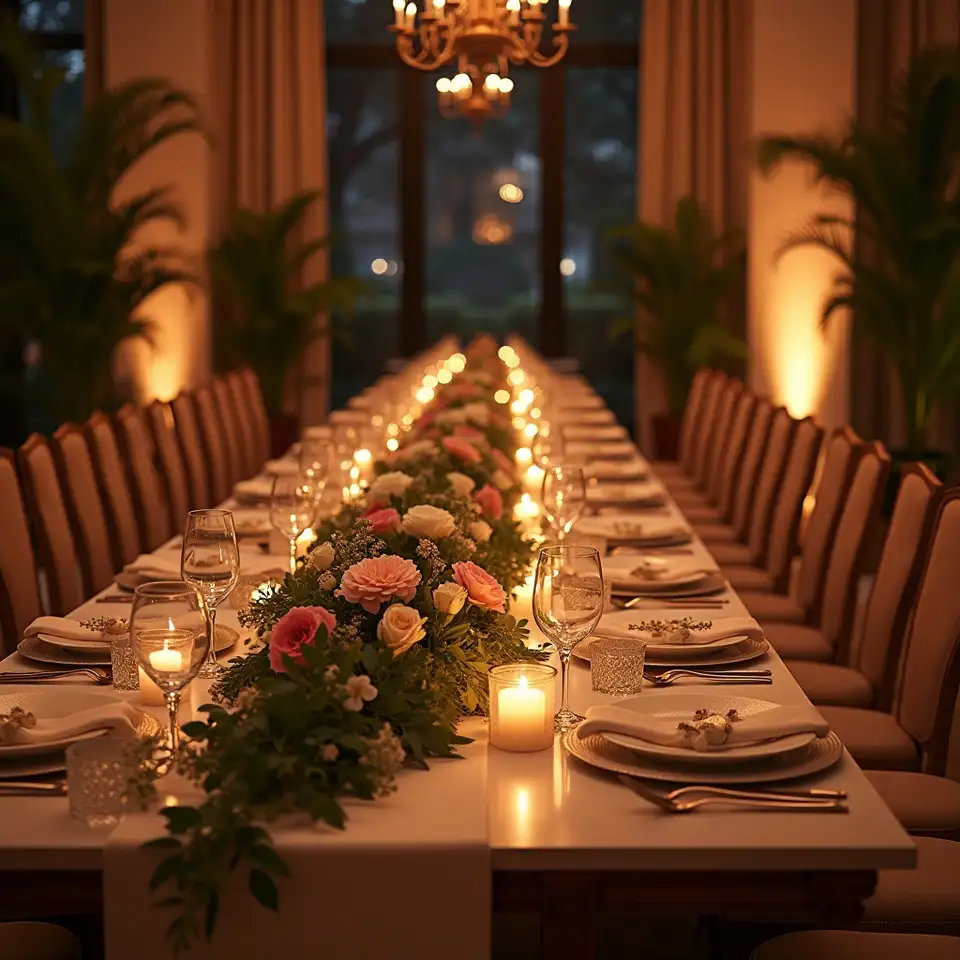
Banquet table floral runner

3
Photo shoot floral set
4
Home interior accent piece
5
Reception desk composition
6
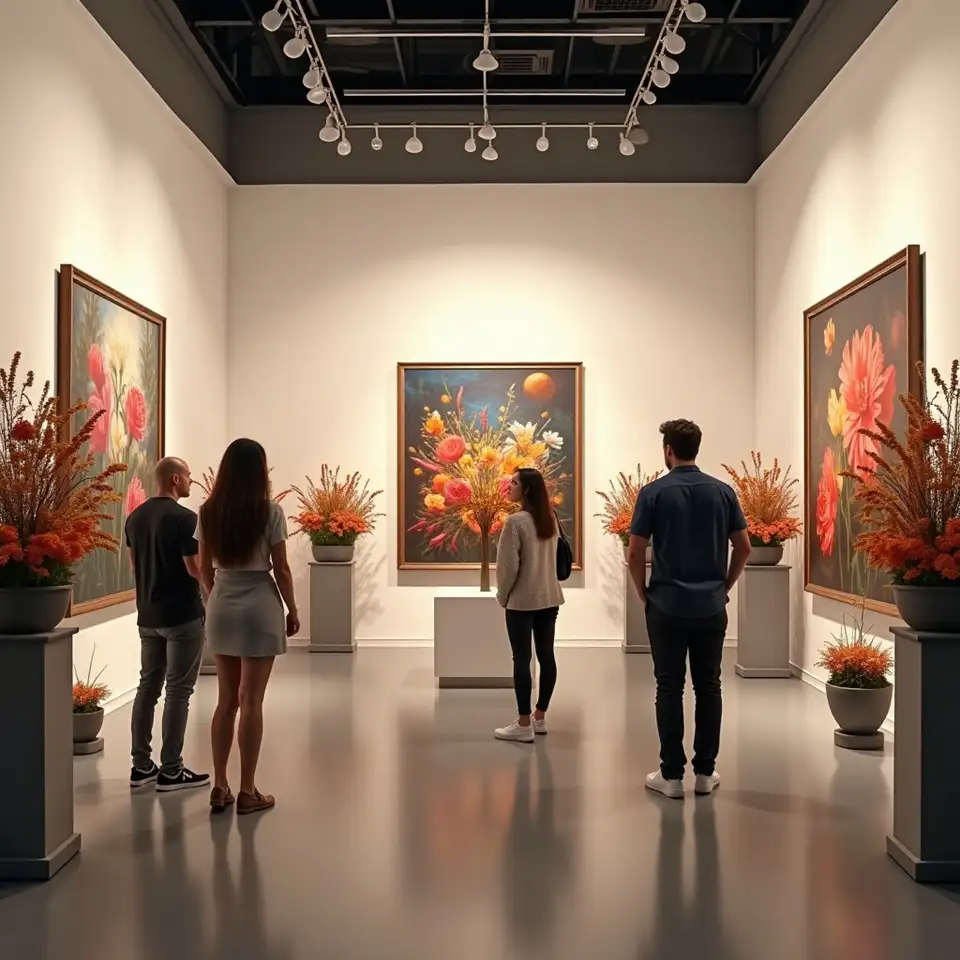
Gallery opening arrangement
Why choose structured floral compositions
Professional compositions replace guesswork with measured choices about size, mechanics, and palette, so flowers support the event rather than compete with it. The studio treats each piece as part of a system, built for specific tables, rooms, and camera angles, using tested structures and realistic timing instead of last-minute improvisation.
Controlled visual impact for each space
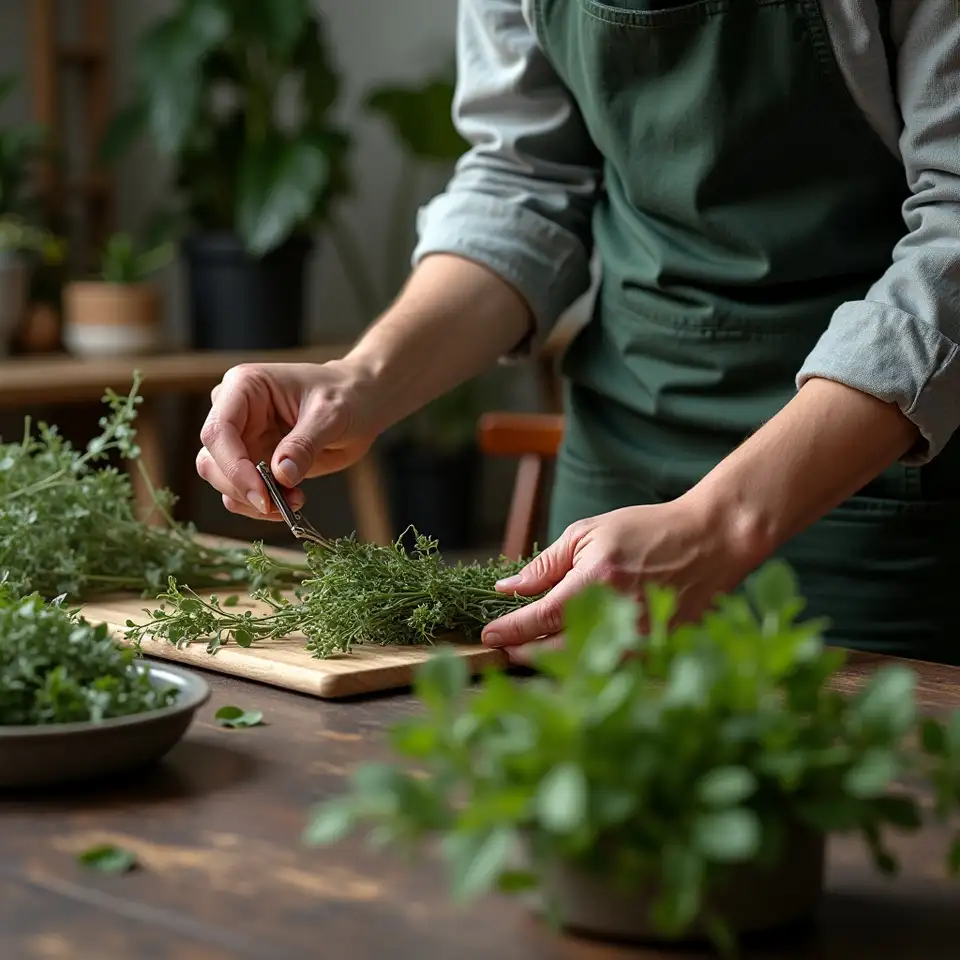
Professional compositions give events and interiors a clear visual anchor, because each piece is built for a specific table size, sightline, and camera angle. The team plans height, width, and negative space so guests can talk across arrangements and photographers can work without moving flowers. Compared to improvised decor, this reduces clutter, keeps lines clean, and makes the room feel intentional from the first arrival to the last photo, even when lighting or seating plans shift slightly.
Durable construction for real timelines
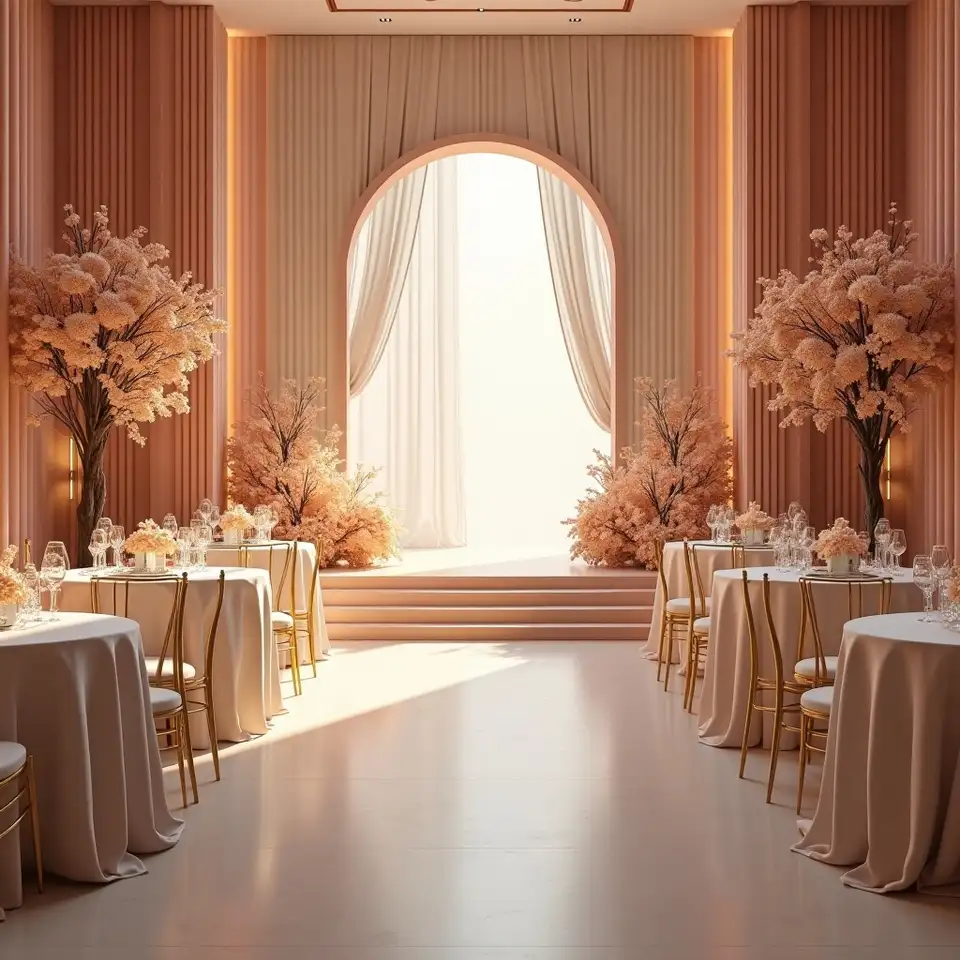
Every composition is built around mechanics that have been tested for transport, handling, and venue conditions, so flowers sit securely through setup and event time. The studio chooses vessels, foam-free structures, and supports according to table type and access, then checks how stems behave in real scenarios. This structured approach helps arrangements stay stable under movement and temperature changes, giving the decor a better chance to look composed for the full occasion, while accepting that natural materials still behave differently from event to event.
Coherent style across the whole venue
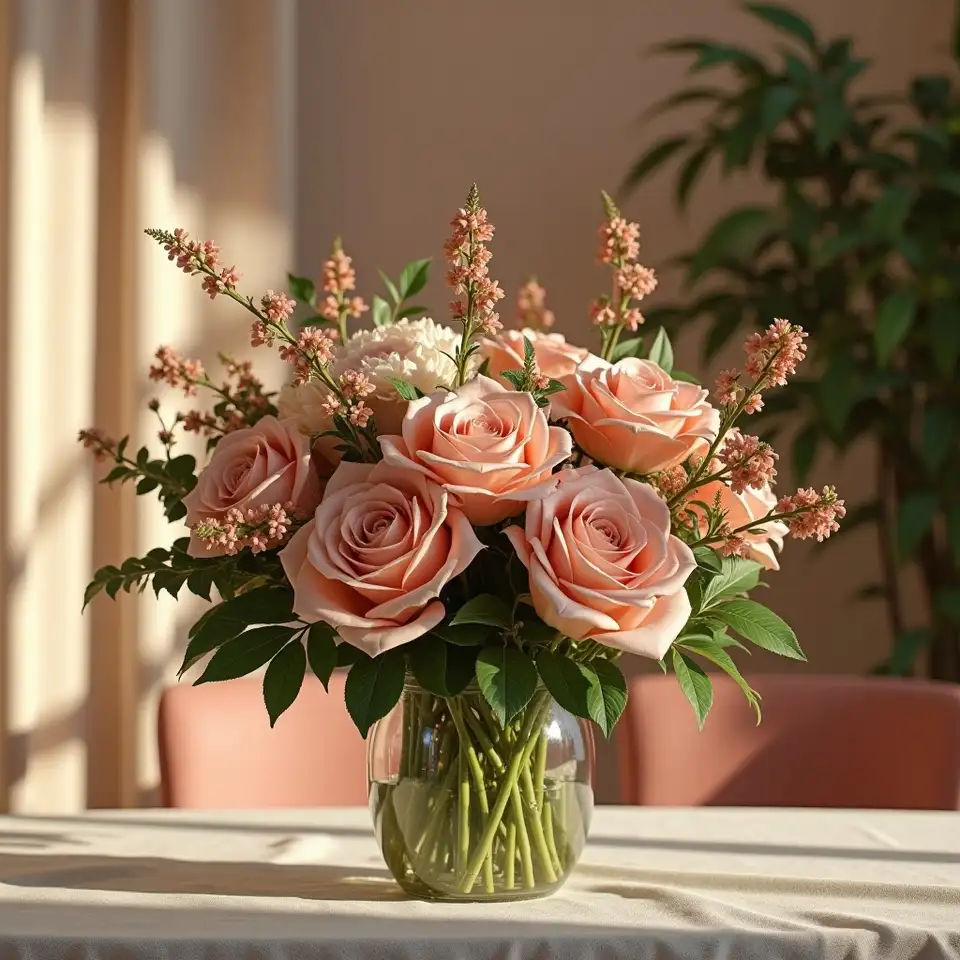
When compositions are planned by a single team, colours, heights, and textures
stay coherent across entrance, stage, tables, and side areas. The studio maps
key zones, defines a small set of palettes, and repeats elements in measured
ways. This avoids the patchwork effect that often appears with mixed decor
sources. Guests see a calm, consistent story, and hosts spend less time
adjusting pieces on the day, because the room has been treated as one system
rather than a set of separate tasks.
Better longevity through planning
Professional compositions often outlast improvised decor because stems are
conditioned, supported, and placed with airflow, heat sources, and access in
mind. The team considers venue light, room temperature, and timing between setup
and guest arrival, then selects flowers and greenery that cope better in those
conditions. Clear care notes are provided when pieces stay beyond the main
event. Results may vary, but this method gives arrangements a more realistic
chance to remain presentable for the planned duration.
Practical tips for choosing and placing compositions
1
Match size and height to furniture and movement
Start by measuring the surface where the composition will sit, then note nearby objects
such as screens, lamps, and tableware. Choose a height that stays below eye level for
dining tables and allows clear sightlines across the room. For narrow consoles or
shelves, select slimmer bases that will not be bumped as people pass. This simple check
prevents common issues like guests moving arrangements aside to see each other or reach
shared dishes.
2
Plan around timing and expected longevity
Consider how long the composition must look presentable, from setup to the end of the event or stay. Share this timing with the studio so stem types and mechanics can be chosen with realistic expectations. If pieces need to hold for several days, discuss whether dried, preserved, or mixed materials are more appropriate. Results may vary, but clear timing helps reduce disappointment and unnecessary stress on the flowers.
3
Choose a stable, flower-friendly location
Think about the room’s light, temperature, and airflow before placing any arrangement. Avoid spots directly under heating vents, in strong sun, or in crowded doorways where flowers may be brushed or knocked. For home and office use, keep compositions away from equipment that generates heat. Following these simple placement rules, together with provided care notes, gives the arrangement a better chance to stay in good condition.
4
Clarify the role of each composition
Define the role of the composition in the room: background support, focal point, or subtle accent. Share this with the florist along with any brand colours, event themes, or interior tones that matter. This allows the design to be calibrated in palette and complexity instead of defaulting to the same look everywhere. Keeping the role clear also helps avoid over-decorating, which can create visual noise and reduce the impact of key pieces.
5
Use feedback to refine future floral plans
After the event or initial placement period, note how the compositions behaved in real
use: which areas stayed fresh longer, where guests gathered, and which pieces drew
positive comments. Sharing this feedback with the studio helps refine future projects,
so each new set of arrangements is better aligned with how the space is actually used,
not just how it was planned on paper.