Bouquets for every key moment
The bouquet range covers key occasions without turning selection into a long decision process, using a clear structure that maps to real events and recipient types.

№ 001
Birthday sets
These bouquets are built to arrive ready for photos and quick placement on a
table. The team balances focal blooms with supporting greenery so arrangements
feel full but not heavy. Sizes and palettes are clearly described, keeping
selection quick for busy clients.
№ 002
Anniversary picks
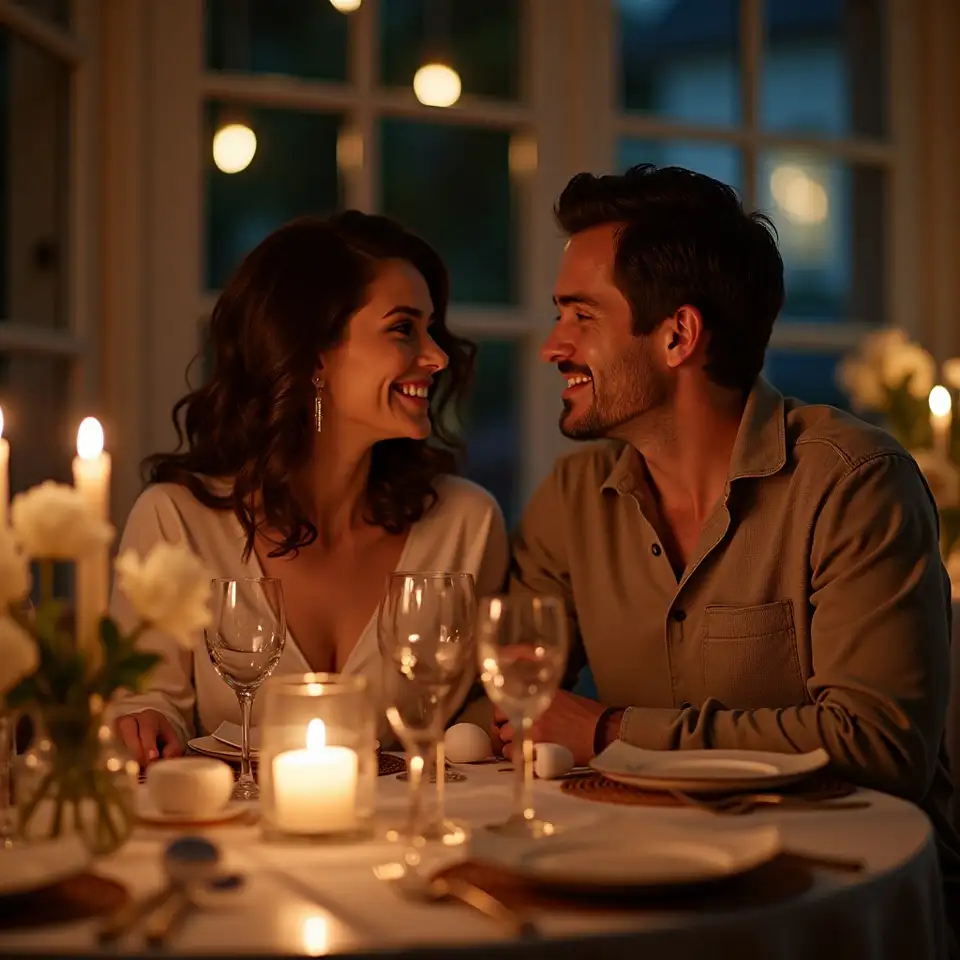
These arrangements are designed for private dinners and quiet celebrations. Colour palettes stay controlled, and stems are chosen for how they behave indoors, so bouquets look composed from first toast to final photo.

№ 003
Corporate florals
These designs support meetings, receptions, and client visits without drawing attention away from the work. The focus is on steady quality, predictable sizing, and clear timing that respects building routines.
№ 004
Everyday joy
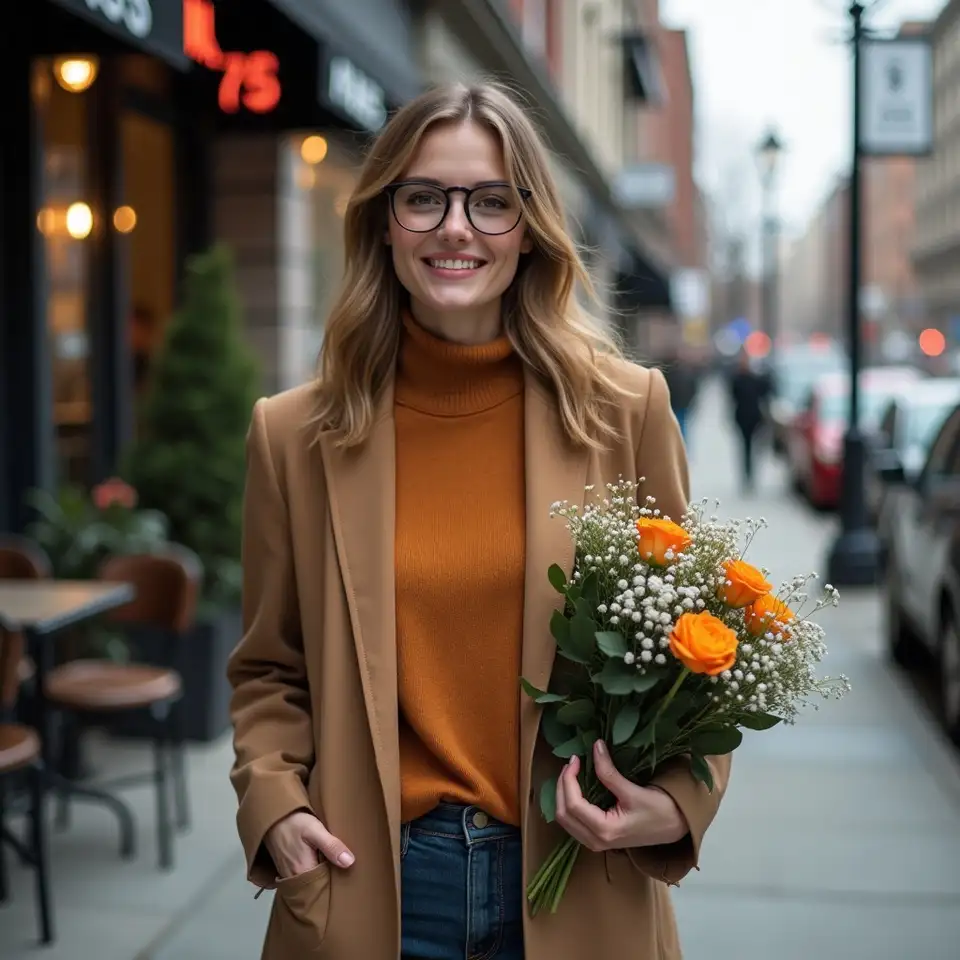
These bouquets are designed to be easy to carry, easy to place, and easy to
enjoy. They work well for last-minute visits, simple thank you gestures, or
small home updates without complex planning.
Bouquet categories and how they work
Each bouquet category is treated as a repeatable service, with clear boundaries, realistic timelines, and straightforward communication about what flowers can and cannot do.
Seasonal mixed bouquets by mood
Seasonal mixes use what is currently performing well in the studio’s supply chain, selected for both look and behaviour. Instead of promising specific varieties far in advance, the team describes the bouquet by mood, palette, and texture, then finalizes stems closer to the delivery date. This reduces last minute changes and keeps quality more consistent across orders. Seasonal bouquets are suited to birthdays, thank you gifts, and home use, where a slightly changing mix feels natural. Clients who need exact repetition for events can request a documented recipe, understanding that nature and logistics may still require small adjustments.
Mono-flower and graphic bouquets
Mono-bouquets focus on a single flower type or a very tight family of stems, which creates a calm, graphic look suitable for modern interiors and events. The studio uses this format for tulips, certain roses, and selected seasonal flowers that can handle transport in quantity. Clients choose size and palette direction, and the team advises on whether the chosen stem is appropriate for the planned room and timing. These bouquets photograph cleanly and are often used in corporate spaces or contemporary homes. As with all services, results may vary, and the studio avoids promising exact behaviour of natural materials.
Small compliment and gesture bouquets
Compliment bouquets are smaller hand-tied designs intended for quick gestures, team recognition, or add-ons to larger orders. They use sturdy stems and simple wrapping so they are easy to hand over and carry. The team groups them by palette and rough size instead of long lists of varieties, which speeds up selection and helps with batch preparation for events or office distributions. These bouquets still follow the same conditioning and packing standards as larger pieces. Clients who need many units for a single date can discuss timing, access, and handling so that delivery slots and storage space are planned realistically.
What defines the bouquet collection
Instead of endless catalogue pages, this bouquet collection offers a clear set of formats, palettes, and wrapping styles that can be adapted to real occasions without starting from zero each time.
- Curated bouquet variety and structure
- The bouquet range includes classic roses, seasonal mixes, mono-flower designs, and compact compliment bouquets, each built from tested stem combinations. Instead of overwhelming lists, the collection is grouped by mood and colour intensity. Clients can choose calm neutrals, soft pastels, or stronger contrasts, knowing each option has already been checked for balance and transport stability.
- Functional, minimal wrapping styles
- Wrapping is treated as part of the design, not an afterthought. The studio works with matte papers, fabric ribbons, and simple reusable vessels, avoiding unnecessary decoration that distracts from the flowers. Each wrapping style is chosen for function first, protecting stems in transit and allowing the bouquet to be placed quickly at home, in the office, or at an event venue.
- Controlled and readable colour stories
- Colour palettes are defined by a limited set of base tones, with accents added only where they support the message of the bouquet. This keeps arrangements calm and readable from a distance, whether placed on a reception desk or handed over at a celebration. The team checks how colours appear in photos and indoor light, so bouquets stay photogenic without heavy editing.
- Targeted personalization details
- Personal touches are handled through message cards, ribbon choices, and small decor elements like a single branch, grass, or textured foliage. The studio avoids cluttered add-ons and instead uses a short checklist to confirm what matters: tone of the message, any sensitivities, and where the bouquet will sit. This keeps personalization focused and respectful of the recipient.
- Consistent options for business needs
- For corporate and event clients, bouquets and small compositions can be aligned with brand colours or event themes using the same structured approach. The team documents recipes and placement notes, which allows future orders to be repeated or adjusted with minimal back-and-forth. This reduces planning time while keeping the floral presence consistent across meetings and gatherings.
Why bouquets here
Bouquets designed for real schedules, real rooms, and clear expectations
This bouquet collection is built for clients who want flowers to arrive on time, look controlled, and match the occasion without guesswork. Each design starts from tested recipes that balance stem quality, colour, and transport distance. The team prioritizes freshness, clear communication, and realistic delivery windows, so bouquets feel considered rather than improvised. Instead of chasing every trend, the studio refines a focused range and adjusts details for each order.
Disciplined design approach
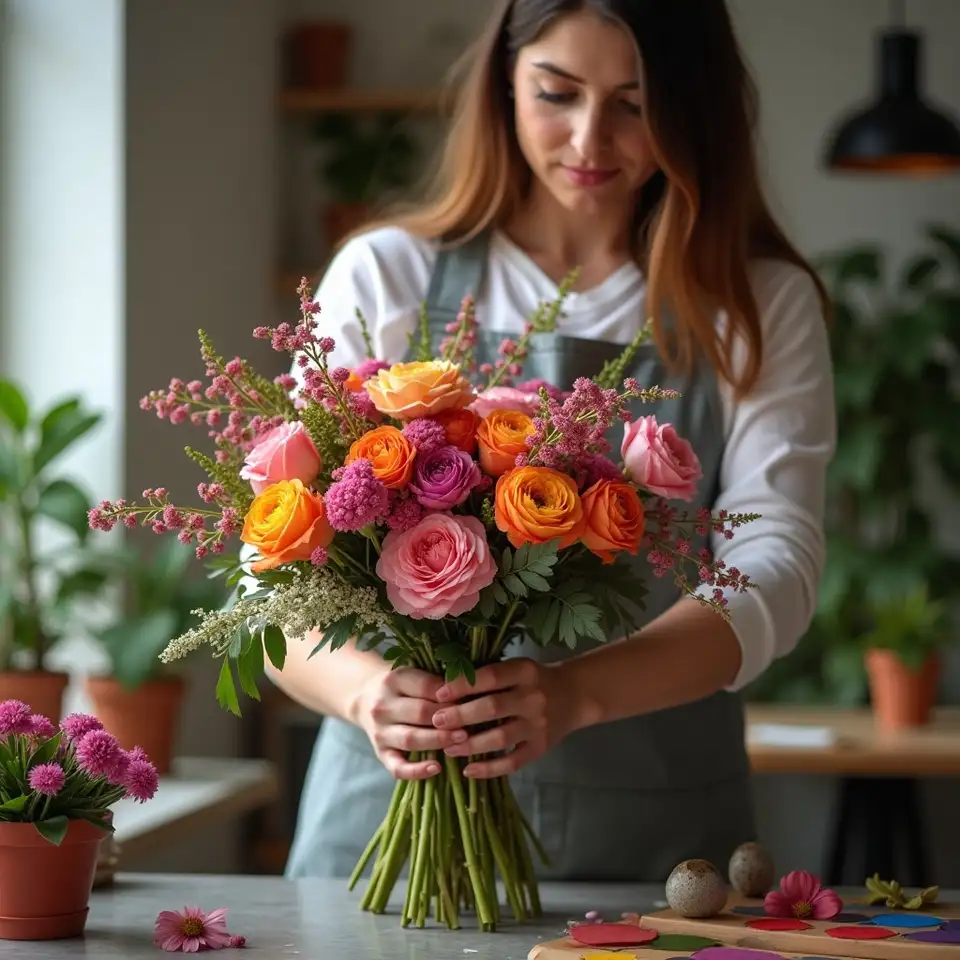
Bouquet recipes are built around controlled colour stories, so each arrangement
feels intentional rather than crowded. The team tests how tones read in daylight
and indoor light, then chooses stems that hold shape during delivery. Clients
receive clear options by palette and mood, not endless vague categories, which
keeps selection fast and practical.
Freshness handled methodically
Flowers are conditioned using consistent steps, from hydration to storage temperature, so bouquets leave the studio in stable condition. Seasonal stems are chosen for how they behave in transit, not only for looks. This reduces last minute substitutions and helps arrangements stay presentable for the actual event window.
Structured customization options
Clients can adjust size, palette, and message card without redesigning from scratch. The team uses a short briefing method that translates occasion, recipient, and budget into specific stems and wrapping. This keeps customization structured, avoids surprises on cost, and still allows space for personal details.
Delivery planned around flowers
Bouquets are packed with transport in mind, using supports and wrapping that protect stems while keeping the design intact. Routes are planned by area and time window, and clients receive realistic timing instead of vague promises. The goal is simple: flowers arrive looking close to how they left the studio.
Clear aftercare guidance
Each bouquet leaves the studio with clear, simple care notes that explain water
level, trimming, and placement. Instructions are based on how the specific stems
usually behave at home. Results may vary, but clients know what actions give the
arrangement the best chance to last through the occasion.
Bouquet gallery
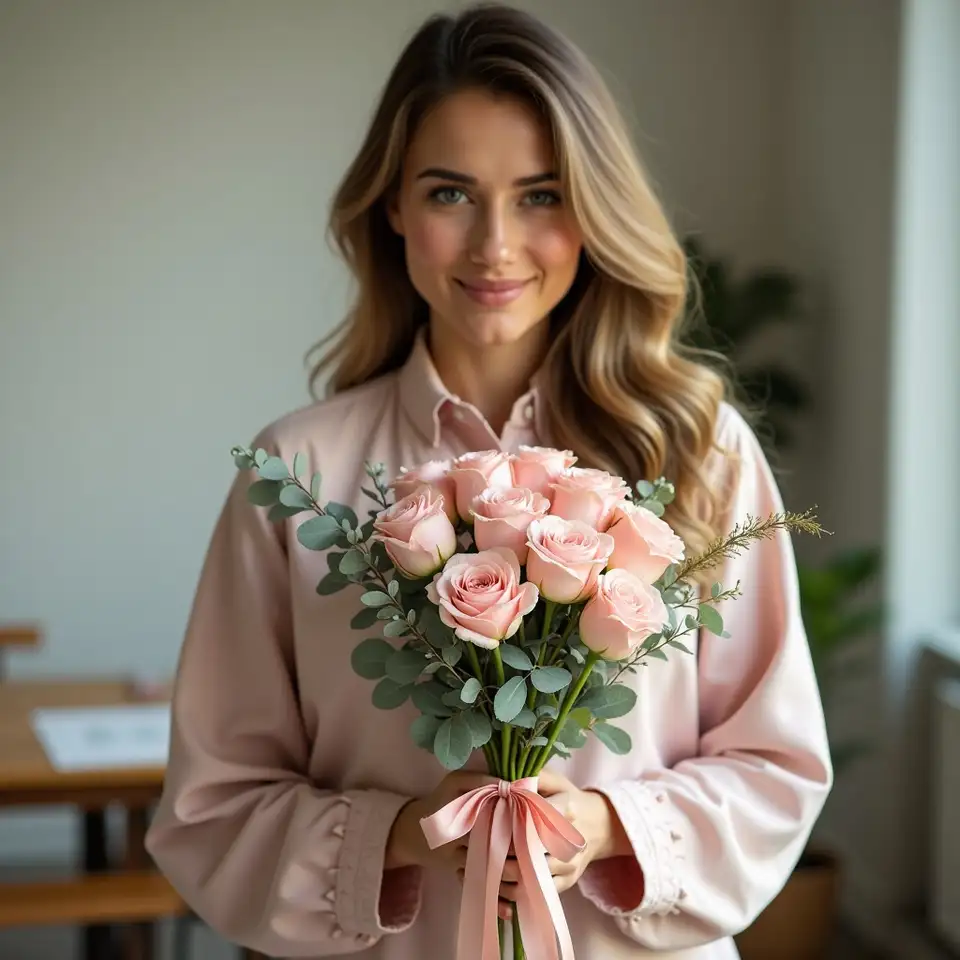
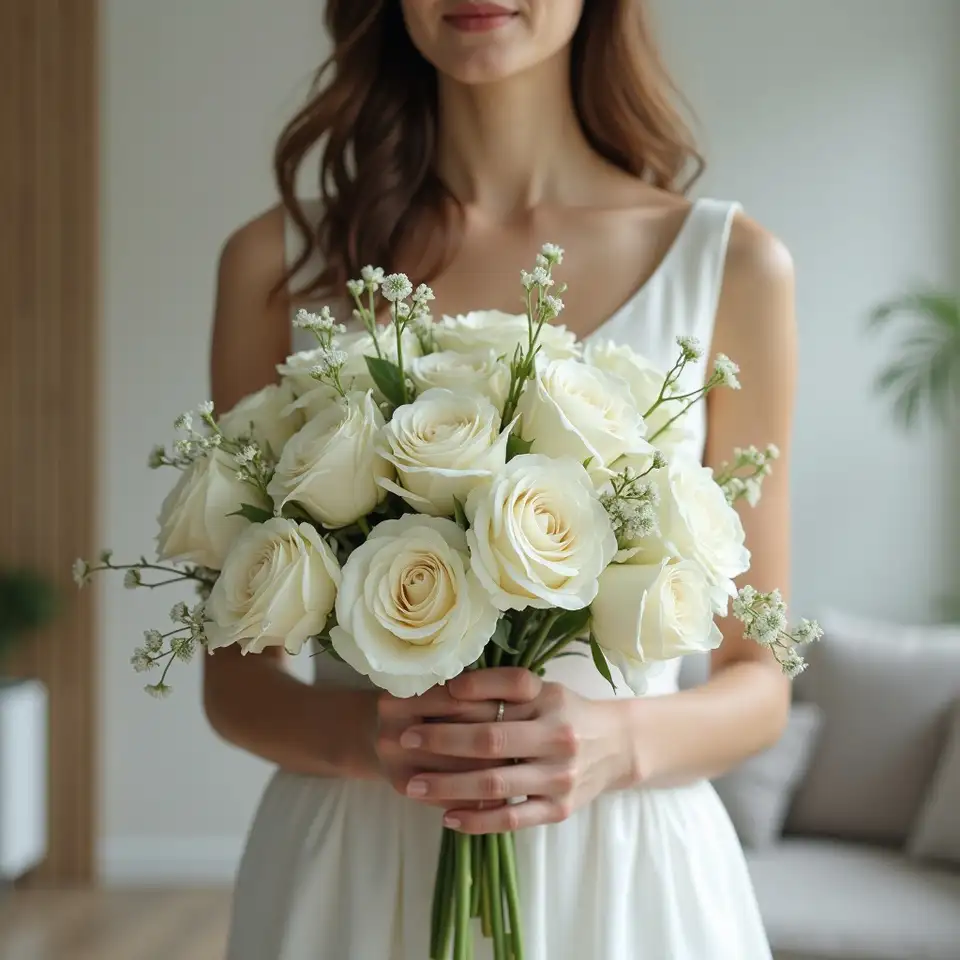
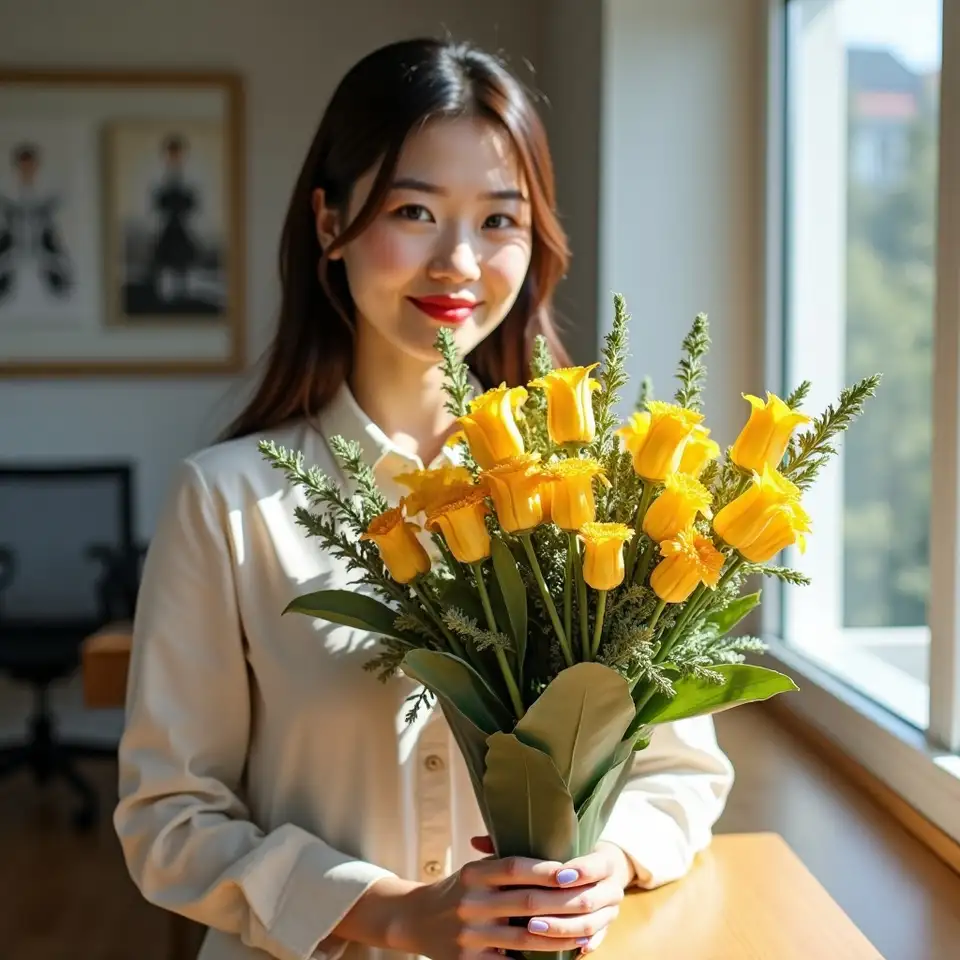
These examples show how similar recipes adapt to different rooms and occasions, from compact everyday gestures to more structured bouquets for ceremonies and business spaces.
1
2
3
Practical tips for choosing the right bouquet
Choosing a bouquet becomes easier when occasion, relationship, and setting are translated
into a few practical checks rather than guesswork.
Match bouquet style to event and space
Occasion
Start by naming the occasion in simple terms, such as birthday, anniversary, condolence, or corporate thanks, then consider where the bouquet will sit and who else will see it. For formal settings and shared offices, calmer palettes and structured shapes usually work better than very bright, loose mixes. Ask about any fragrance sensitivities or cultural preferences before choosing strong scents or unusual colours. This short check helps avoid awkward moments and keeps the gesture aligned with the context.
Confirm occasion type
Note room setting
Check sensitivities
5 minutes
Easy
Plan around timing and handling
Practical
Consider how long the bouquet will be in transit, whether it will wait in a car, and how soon the recipient can place it in water. For longer routes or uncertain handover times, choose sturdier stems and compact shapes that travel better. When ordering, share realistic timing so the studio can pack and schedule accordingly. After delivery, use the care card as a basic guide, understanding that results may vary depending on room temperature, drafts, and how closely instructions are followed.
Estimate transport time
Plan handover
Review care card
10 minutes
Medium
Align budget, palette, and feedback
Planning
Define a realistic budget range first, then choose a palette and mood within that band rather than chasing specific rare stems. This lets the florist work with what is currently strong in the market while staying inside cost limits. After the occasion, note which bouquets were most appreciated and how they behaved at home or in the office. Sharing this feedback with the studio helps refine future orders, making each next bouquet easier to select and closer to what recipients enjoy.
Set budget band
Choose palette
Keep notes
10 minutes
Easy